

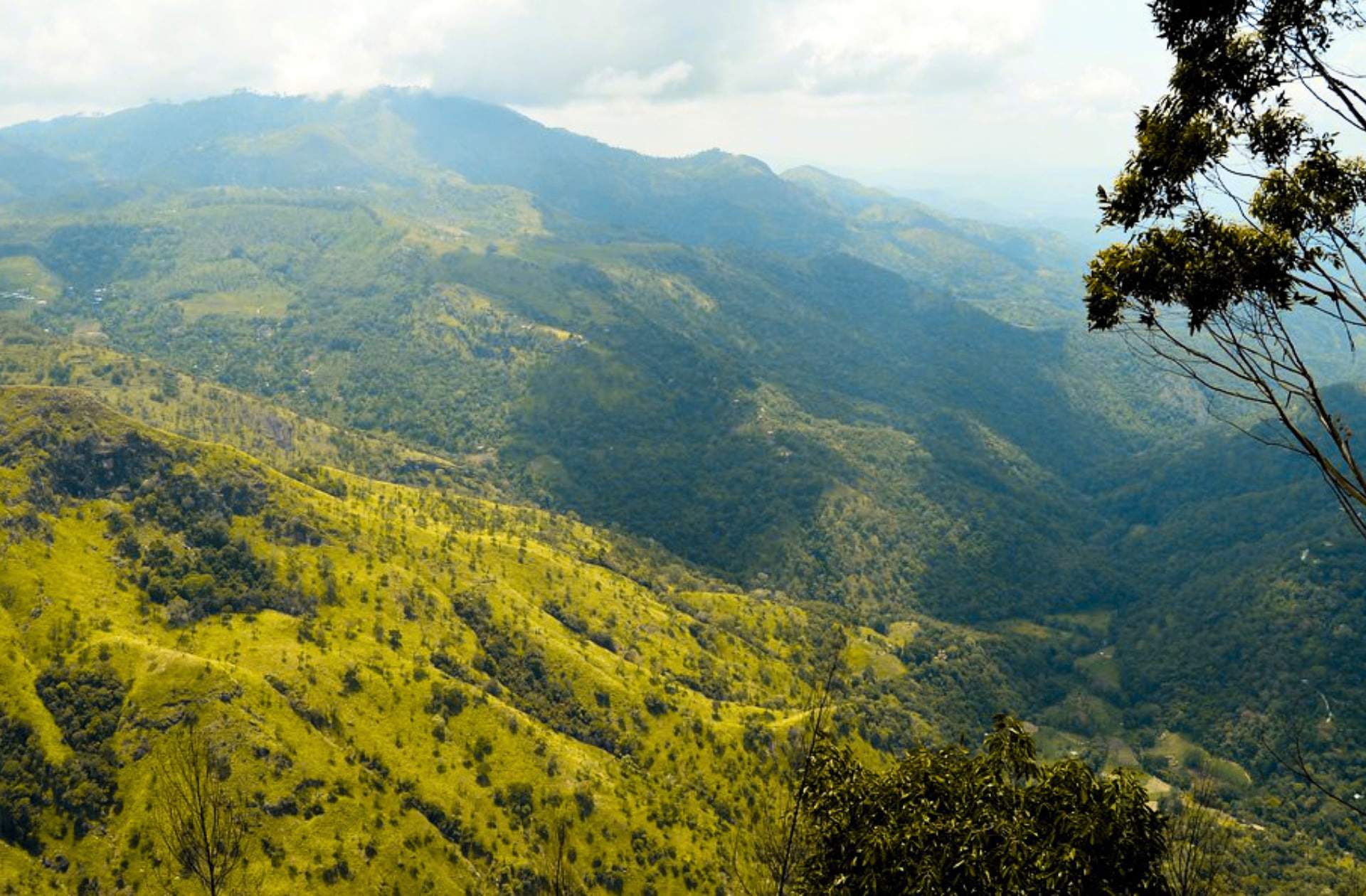
Ella sits on the eastern edge of Sri Lanka’s central highlands, surrounded by steep escarpments, dense cloud forest and working tea estates. Unlike the flat plains of the dry zone or the humid coastal stretches, Ella is an environment defined entirely by altitude and dramatic shifts in terrain. It is a destination where the landscape drops suddenly away, offering vast sightlines through the mountains towards the southern coast.
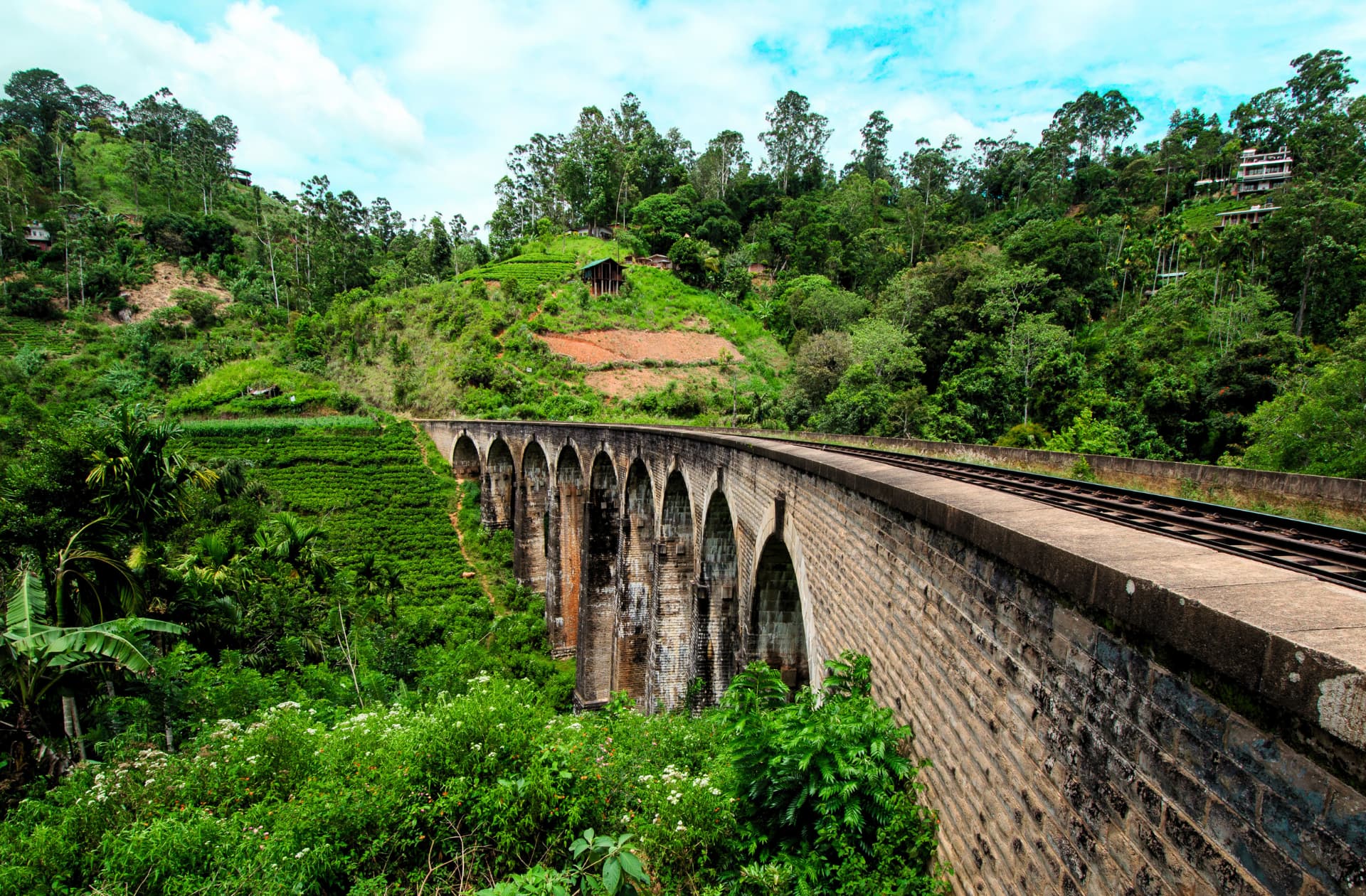
For many travellers, Ella represents the visual peak of the Sri Lankan hill country. Yet the destination is defined by more than scenic viewpoints. Its importance lies in its colonial-era railway engineering, its agricultural heritage and an unpredictable mountain climate that dictates the pace of the day. This high-altitude town in Sri Lanka’s Uva Province is renowned for its dramatic topography, tea plantations and railway infrastructure. It is known for iconic landmarks such as the Nine Arches Bridge, Ella Rock and Little Adam’s Peak.
GeographyA Topography of Deep Valleys and Gorges
Ella occupies a prominent ridge in the central highlands, positioned approximately 1,000 metres above sea level. It sits at the southern end of the famous Main Line railway route, accessed by train or winding mountain roads from Kandy and Nuwara Eliya. For travellers moving across the island, Ella acts as a defining geographical transition. It is the final highland anchor before the terrain descends sharply towards the wildlife reserves of Udawalawe and Yala.
The story of Ella cannot be separated from its extreme geography. The town is built around the Ella Gap, a massive natural cleft between two towering mountain ridges. This dramatic drop in elevation not only provides sweeping views across the southern plains but also acts as a corridor for shifting weather systems. What makes Ella distinctive is this physical intensity. Navigating the destination requires ascending steep paths, walking through thick tea terraces and negotiating deep valleys. The environment demands physical engagement rather than passive observation.
This physical engagement is exactly what sets the region apart from other destinations. Every journey taken around the town involves gradients that challenge even seasoned walkers. As you move higher up the ridges the air becomes thinner, the vegetation changes and the sounds of the valley below fade into a quiet stillness. The terrain is uncompromising. It dictates where roads can be built, where crops can be grown and where people can settle. The tea terraces that cling to the mountainsides are evidence of the ingenuity required to cultivate this landscape. Generations of workers have carefully maintained these steep slopes, creating a geometric pattern of green that stretches as far as the eye can see.
The sheer scale of the valleys also influences the local microclimate. Wind funnelled through the Ella Gap can bring sudden changes in temperature. It is not uncommon to experience intense sunshine followed rapidly by a cold mountain mist that envelops the entire town within minutes. This dynamic weather system means that no two days are exactly alike. The landscape is constantly shifting in appearance, revealed and concealed by the movement of clouds. It requires a certain flexibility from those who visit, an understanding that nature here follows its own unpredictable pace.
EngineeringThe Highland Railway
Ella’s identity is permanently tied to the British colonial railway project of the late nineteenth and early twentieth centuries. The tracks that wind through the town were not laid for passenger tourism. They were engineered to transport massive yields of tea from the high mountains down to the port of Colombo.
The railway infrastructure here is defined by tunnels blasted through solid granite and viaducts built across deep gorges. It represents a staggering feat of civil engineering. The train remains a functioning, vital piece of the region’s agricultural and social fabric. It is a slow, methodical journey that provides an unparalleled perspective on the sheer drops and elevated ridges of the interior. The clatter of the train cars echoes across the valleys, a constant reminder of the historical ambition to conquer this formidable terrain.
The construction of this railway required an immense workforce and an almost unimaginable level of physical labour. Tunnels had to be carved by hand through unyielding rock faces. Embankments were built up ton by ton to create a level path for the tracks. The legacy of this effort is a transportation network that seems to defy the laws of gravity as it clings precariously to the edges of cliffs. Today, the railway is as much a part of the landscape as the mountains themselves. It is the lifeblood of the region, carrying not just tea but people, supplies and stories between the isolated communities of the highlands.
AtmosphereMountain Weather and Shifting Light
The environment in Ella is dictated by the climate. Clear, bright mornings can quickly give way to thick, rolling mist or sudden downpours by mid-afternoon. This shifting weather is not a disruption. It is a fundamental characteristic of the highlands. It alters the colour of the tea fields, dictates the timing of hikes and encourages a pace of early exploration followed by quiet afternoons retreating indoors.
A single night in Ella often forces a rushed itinerary dictated entirely by crowds and transport schedules. To understand the landscape properly, two or three nights are recommended. This allows enough time to dedicate early mornings to the major trails, leaving the afternoons open to navigate the changing mountain weather, visit a working tea factory or simply retreat to a high-altitude viewpoint. The highlands belong to the early morning. Trails and railway viewpoints are best experienced shortly