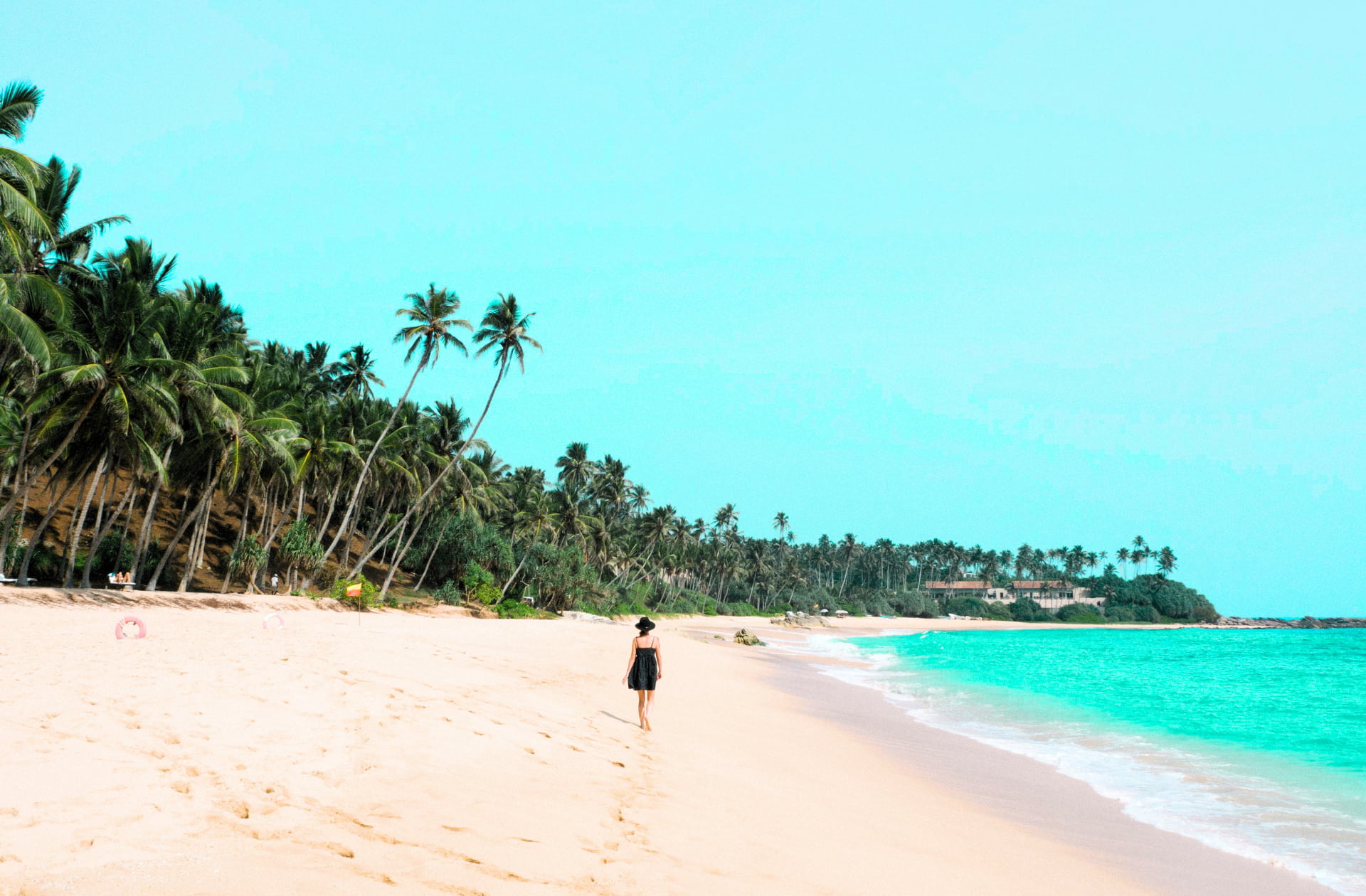
Negombo sits on the western coast of Sri Lanka, defined by its relationship with the sea, an expansive estuarine lagoon and a deeply rooted Catholic heritage. Unlike the highly polished boutique stretches of the deep south or the isolated plains of the dry zone, Negombo is a working coastal city. It is an environment where the daily pace of the fishing industry operates side by side with long stretches of beachfront hospitality. For many travellers, Negombo represents the very first physical encounter with Sri Lanka. Yet the destination is defined by more than its proximity to the airport. Its importance lies in its colonial maritime history, its complex network of waterways and a social pace that provides an essential, necessary adjustment to the tropical heat.
The city is a major coastal hub in the Western Province of Sri Lanka, renowned for its centuries-old fishing industry, Dutch-era canal system and striking religious architecture. It is known for iconic landmarks such as the bustling Lellama fish market, the Negombo Lagoon and a density of grand churches that earned it the title of Little Rome. The city serves as a crucial geographical threshold, offering international arrivals their first grounded experience of the island.
Occupying a low-lying coastal stretch, Negombo is positioned just 10 kilometres from Bandaranaike International Airport and approximately 35 kilometres north of Colombo. It sits neatly between the Indian Ocean to the west and a vast tidal lagoon to the east. For travellers arriving on the island, the city acts as a defining geographical starting point. It is the immediate coastal anchor before the journey moves inland towards the Cultural Triangle, up into the central highlands or south towards the historic ramparts of Galle.
Working CoastlineThe Estuarine Lagoon
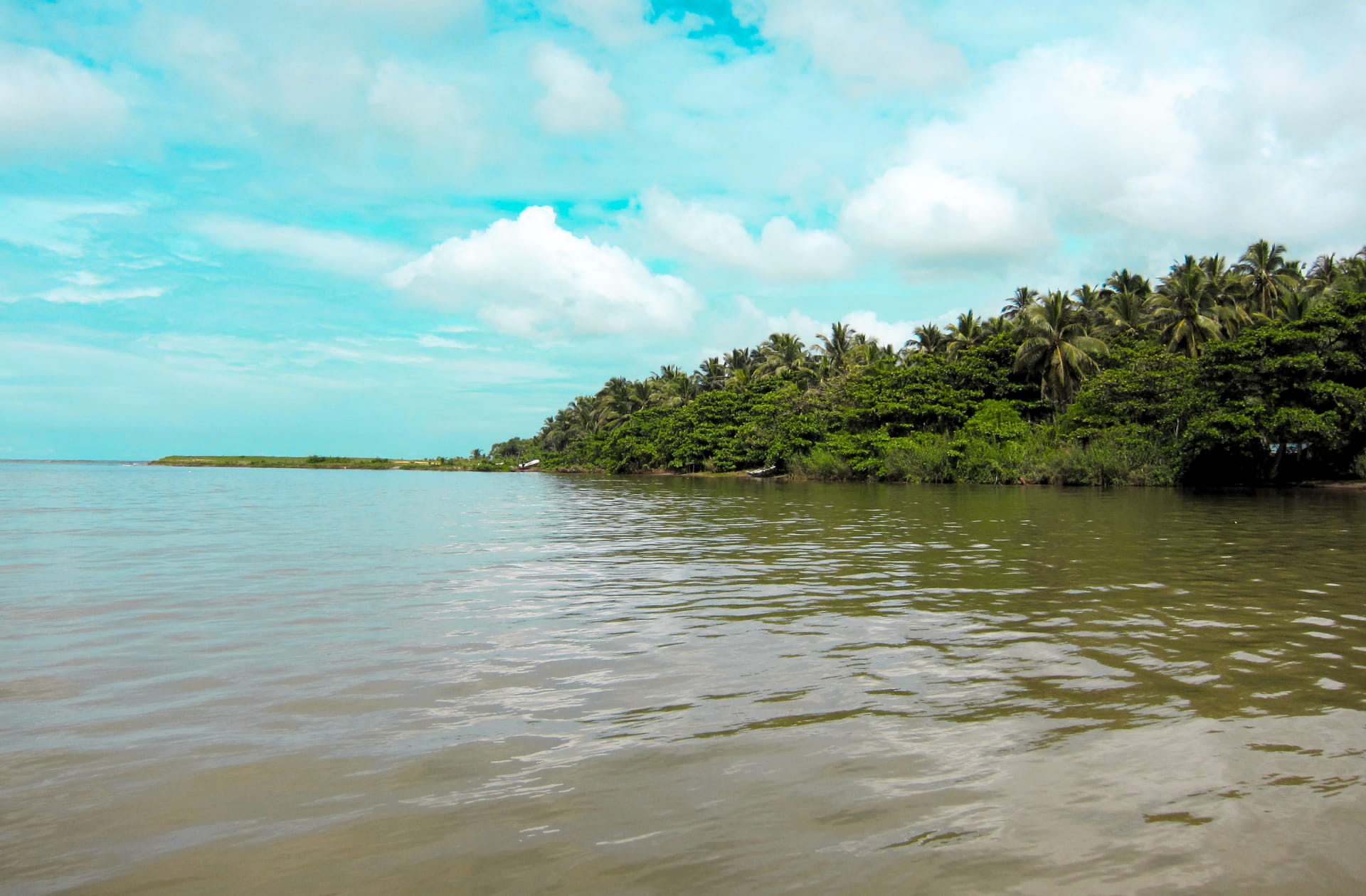
The story of the city cannot be separated from the water. The urban layout is built around the Negombo Lagoon, a massive body of water that supports one of the most significant fishing fleets on the island. This estuarine environment not only provides the foundation for the renowned seafood of the region but also dictates the visual pace of the shoreline. The lagoon serves as the primary economic engine for thousands of local residents.
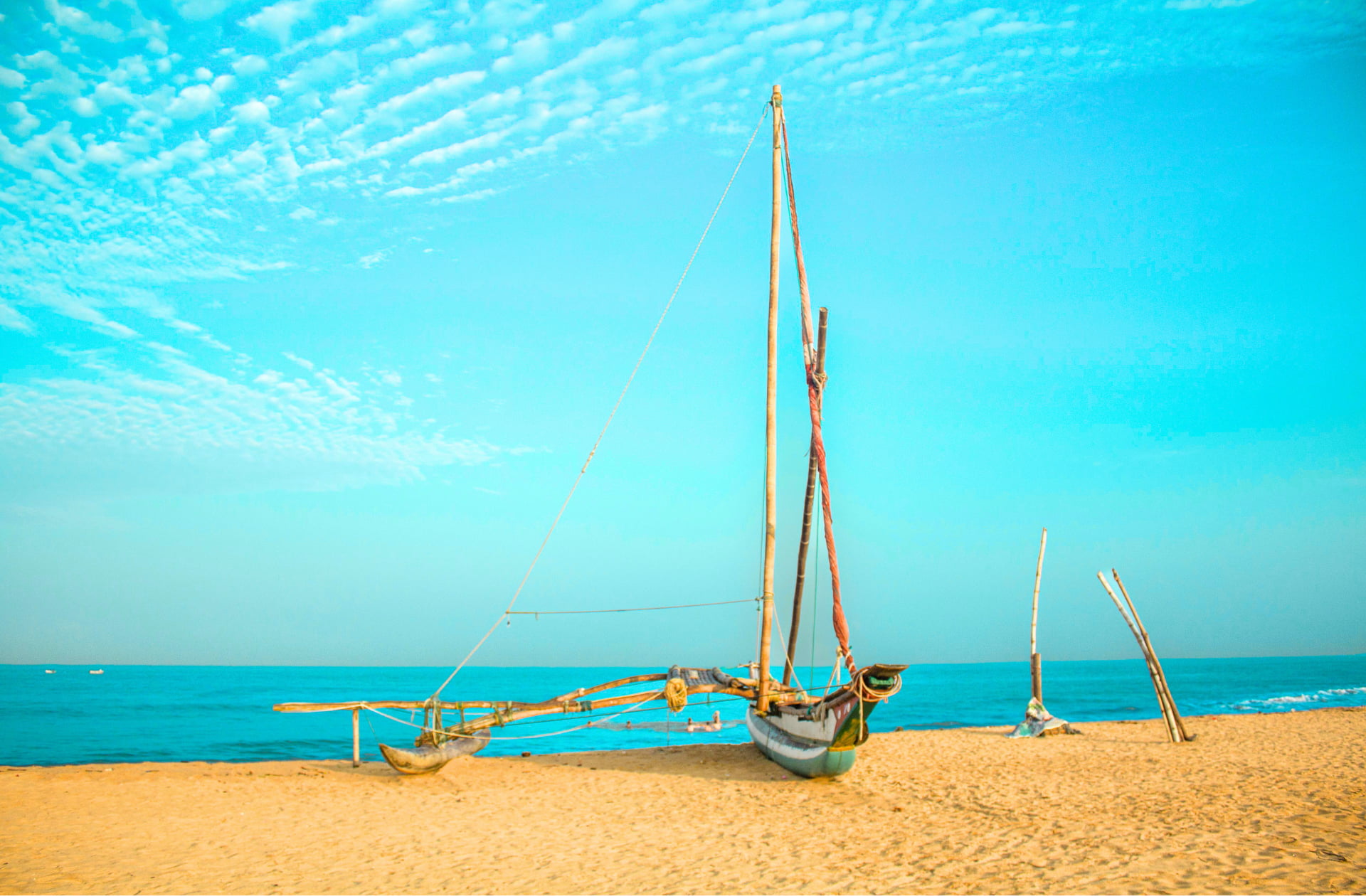
What makes the destination distinctive is this working reality. Navigating the coastal edge requires moving past fleets of traditional wooden outrigger canoes known as oruvas, observing the early morning fish auctions and crossing the historic waterways. The environment demands an appreciation for daily coastal life rather than a desire for isolated resort perfection. Here, the ocean provides both sustenance and spectacle. Visitors who embrace this reality find a much richer experience.
The identity of the town is permanently tied to the colonial spice trade of the seventeenth and eighteenth centuries. The city was fiercely contested by the Portuguese, Dutch and British, all of whom sought to control its valuable coastal cinnamon exports. The infrastructure left behind is defined by the engineered Dutch Canal that cuts directly through the town and the ruins of an old coastal fort. This represents a complex maritime history.
Faith and StoneCatholic Heritage
The colonial era also embedded a profound Catholic influence into the local culture, leaving the city punctuated by towering, ornate churches that command the streetscape. Looming directly over the town centre, St. Marys Church presents a striking architectural contrast to the tropical surroundings. The grand neoclassical structure features an intricately painted ceiling and massive stone columns. The sheer volume of churches throughout the city reflects a deep enduring faith that continues to shape the social and cultural calendar of the coastal population.
The destination has evolved organically into one of the most frequented transit hubs on the island. The main coastal road is dense, highly social and heavily concentrated with cafes, guesthouses and restaurants catering to the international arrival crowd. However, the true atmosphere of the region is found by looking past the immediate commercial strip. The luxury of the destination lies in its ability to offer a soft landing.
Spacious beachfront hotels and quieter lagoon-facing properties are deliberately positioned to provide wide horizons, deep shade and immediate ocean access. This allows visitors to recover from long-haul flights in quiet sanctuary. The environment is dictated by the coast. Bright intense mornings carry the salt air from the ocean, while the high humidity of the afternoon encourages a much slower physical pace.
This coastal weather is not a barrier but the fundamental reality of the western shoreline. It alters the colour of the lagoon, dictates the timing of the fishing fleets and encourages a pace of early exploration followed by quiet afternoons retreating indoors. Set near the edge of the lagoon just outside the main town, the Lellama remains one of the most intense and authentic sensory experiences on the west coast.
Operating primarily at dawn, the market is a loud and uncompromising display of the daily ocean catch. Watching the boats return and the auctions unfold provides a visceral understanding of the scale and ambition of the fishing community. For a broader perspective of the topography, the historic canal system offers a highly rewarding and manageable diversion. A single night in the city is common, but it often forces a rushed itinerary dictated entirely by jet lag and onward transport schedules.
To understand the coastal landscape properly, two nights are recommended. This allows enough time to dedicate an early morning to the lagoon and the market, leaving the afternoon open to navigate the tropical heat, acclimatise beside a hotel pool or simply retreat to a shaded beachfront