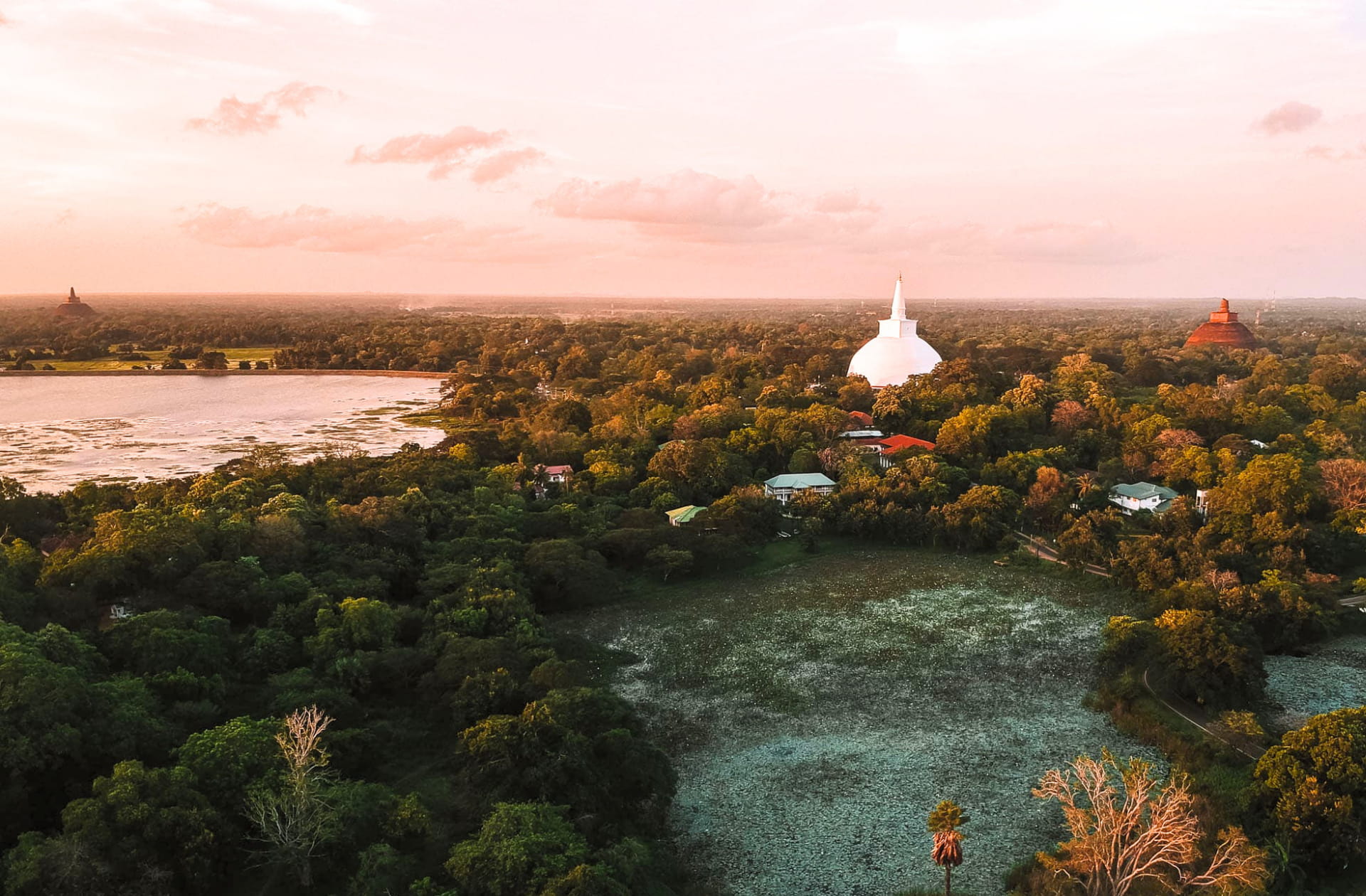


Habarana sits squarely in the centre of Sri Lanka's north-central dry zone, acting as the geographical and logistical heart of the island's Cultural Triangle. Unlike the enclosed valleys of the hill country or the dense social grids of the southern coast, Habarana is defined by open scrubland, vast man-made lakes and the constant movement of wildlife. It is an environment where the heavy tropical heat dictates the pace of the day and the horizon stretches uninterrupted across the plains.
For many travellers, Habarana is synonymous with safari. Yet the destination is defined by more than elephant encounters. Its importance lies in its unparalleled strategic positioning, allowing travellers to access the island's most significant historical monuments and wildlife reserves from a single, deeply forested retreat.
The EnvironmentUnderstanding Habarana
Habarana is located in the Anuradhapura District, accessed by moving deep into the north-central plains away from the coastal humidity and highland mist. As the road enters the region, dense commercial towns are replaced by wide highways flanked by thick dry-zone vegetation.
This physical layout matters. Habarana does not function as a compact, walkable village. It is a dispersed network of nature resorts, local homes and safari operator bases scattered along the main transport arteries. Within this space, life is dictated by the extreme midday sun, the presence of roaming elephants and the early morning departures of safari vehicles. The heat is thick, pressing down on the canopy and shaping every decision about when to move and when to rest.
You arrive expecting a dusty transit town but quickly realise the settlements are secondary to the forest. Establishments retreat into the trees, leaving the main roads open for the swift passage of jeeps and transport trucks. There is a raw, utilitarian energy here. It is a place of departures, built for movement rather than lingering. The mornings belong to the cultural sites, the afternoons to the national parks and the evenings to the quiet isolation of the jungle lodges.
Wild CorridorsThe Geography of the Dry Zone
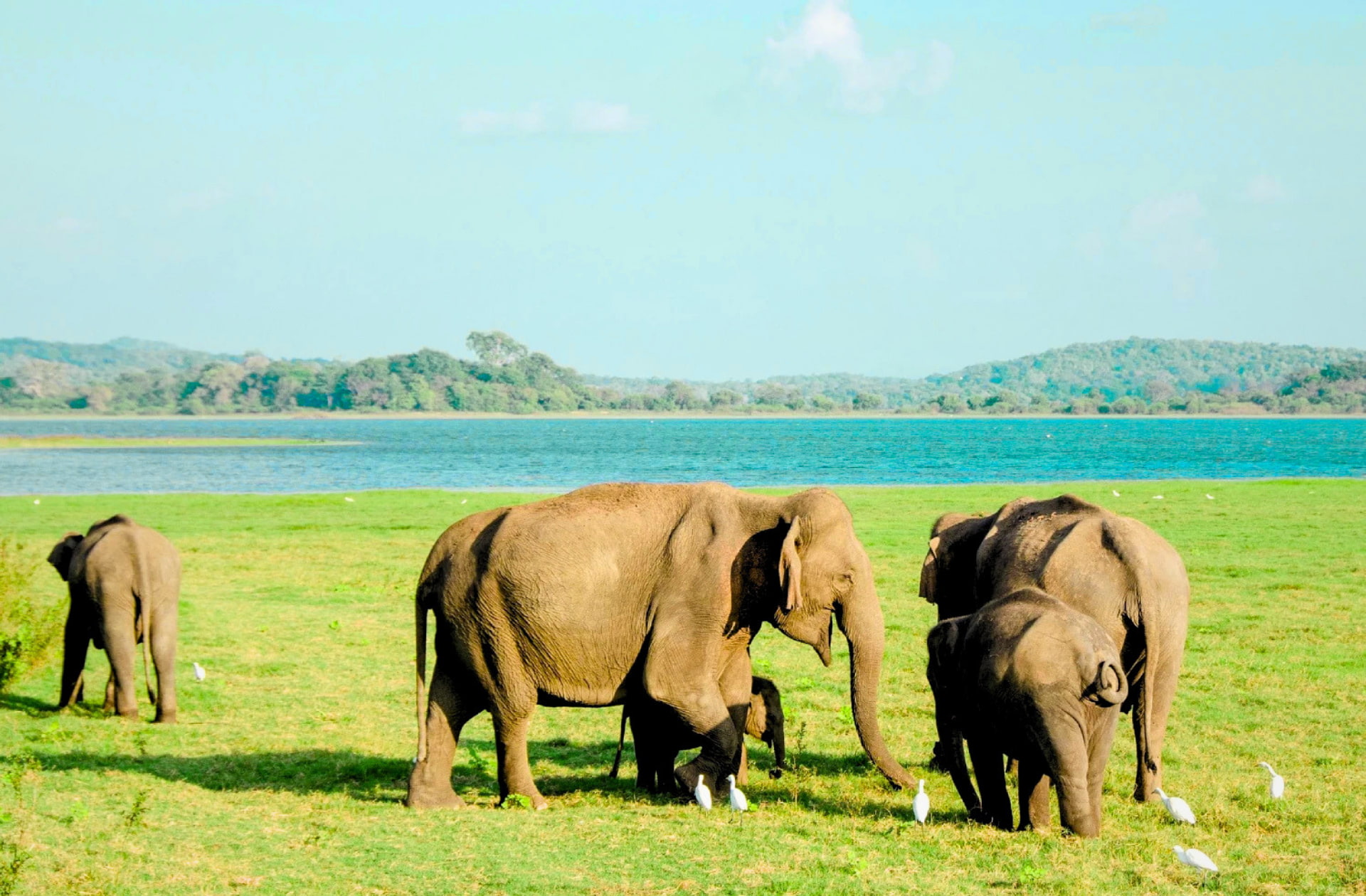
The landscape surrounding Habarana behaves differently from the isolated wildlife reserves found elsewhere on the island. The region is dominated by three major national parks: Minneriya, Kaudulla and Hurulu Eco Park. These do not operate as separate entities but function together as a massive, fluid elephant corridor. Herds migrate naturally between these reserves depending on rainfall and receding water levels, making the geography highly dynamic.
This wildlife movement is sustained by an ancient ecological network. The environment is anchored by vast man-made reservoirs built by early Sinhalese kings. These artificial lakes soften the arid scrubland, creating vital watering holes where elephants, crocodiles and rich birdlife gather. Moving through this terrain by jeep exposes a landscape where ancient human engineering and raw wilderness exist side by side.
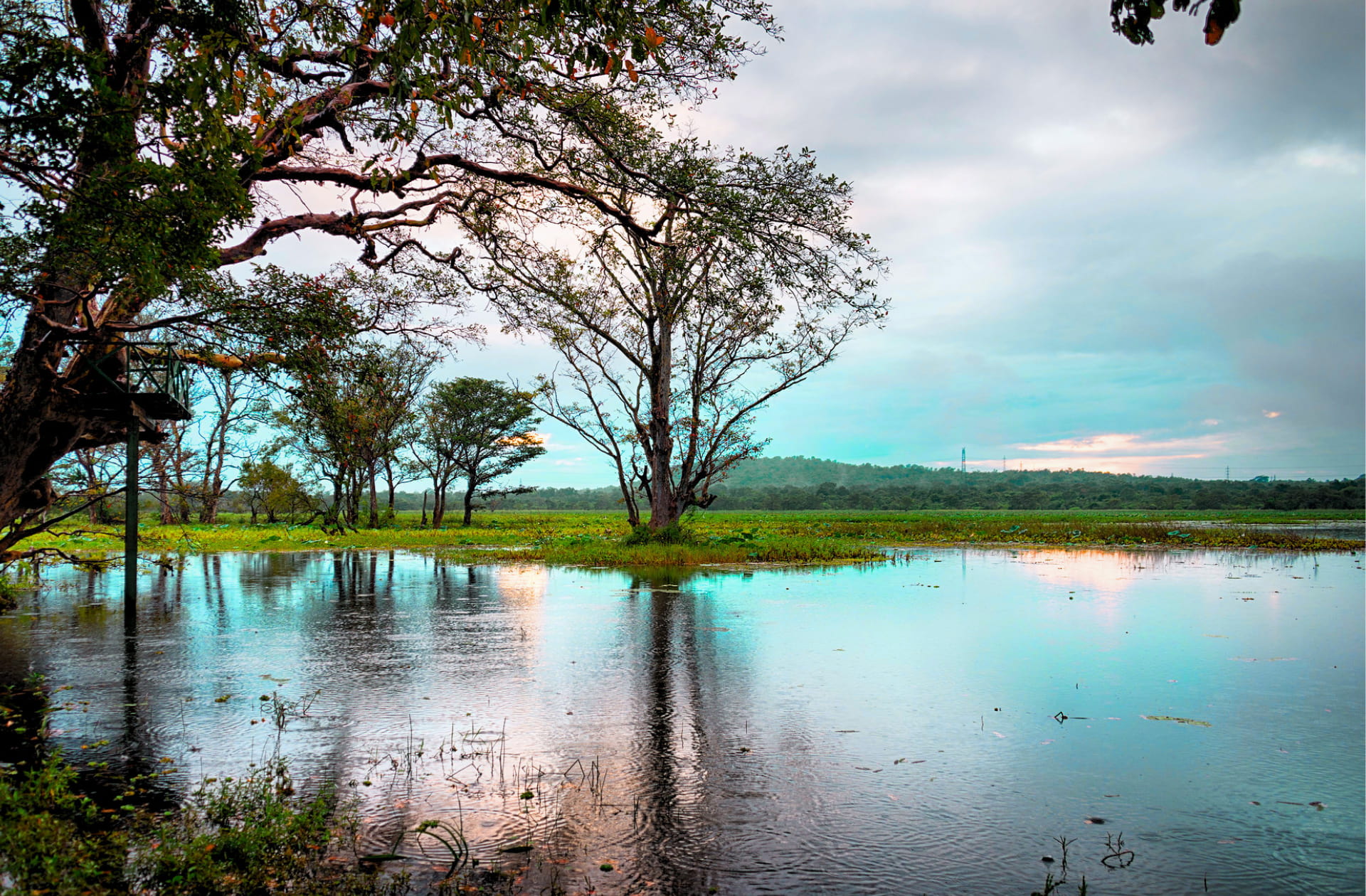
During the height of the dry season, the waters recede, exposing lush grasses that draw hundreds of elephants in an event commonly known as the Gathering. It is a display of natural scale that dominates the region. The scrub gives way to wide plains bordering the water, offering unobstructed views of complex herd dynamics. The dust kicked up by the jeeps mixes with the low afternoon sun, creating an atmosphere that feels entirely detached from the rest of the island.
Even outside the national parks, the presence of wildlife is constant. It is not uncommon to find elephants crossing the main highways at dusk or macaques moving through the hotel canopies at dawn. The boundaries between human settlement and wilderness are porous in Habarana, requiring a level of respect and awareness from anyone moving through the area.
SanctuariesWilderness Lodges and Dry Zone Architecture
Because the physical environment of the dry zone is heavily exposed to intense heat and seasonal monsoon rains, the architecture of the region leans heavily into natural camouflage and cooling. Design here focuses on heavy timber roofs, polished cement floors, shaded walkways and structures that blend seamlessly into the surrounding jungle. The best properties in Habarana act as quiet, shaded sanctuaries, drawing a deliberate line between the dust of the safari trail and the cool quiet of the interior.
LogisticsHow Habarana Fits Into a Sri Lanka Journey
Habarana is most frequently utilised as the central anchor for the first half of a Sri Lankan itinerary. Arriving after the initial journey inland from Colombo or Negombo, travellers typically spend three or four nights here. It serves as the hub from which to explore the rock fortress of Sigiriya, the cave temples of Dambulla and the ruined city of Polonnaruwa.
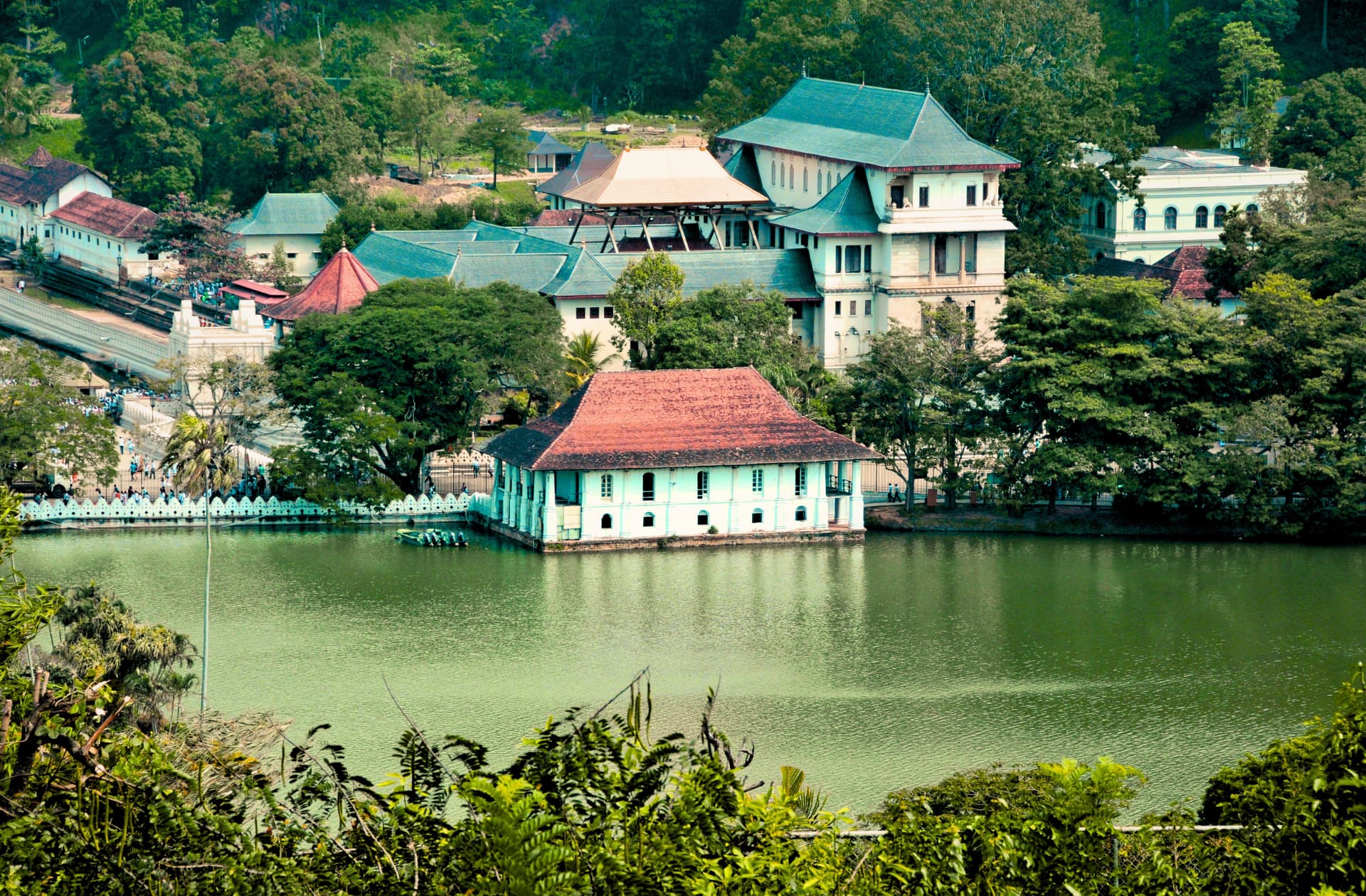
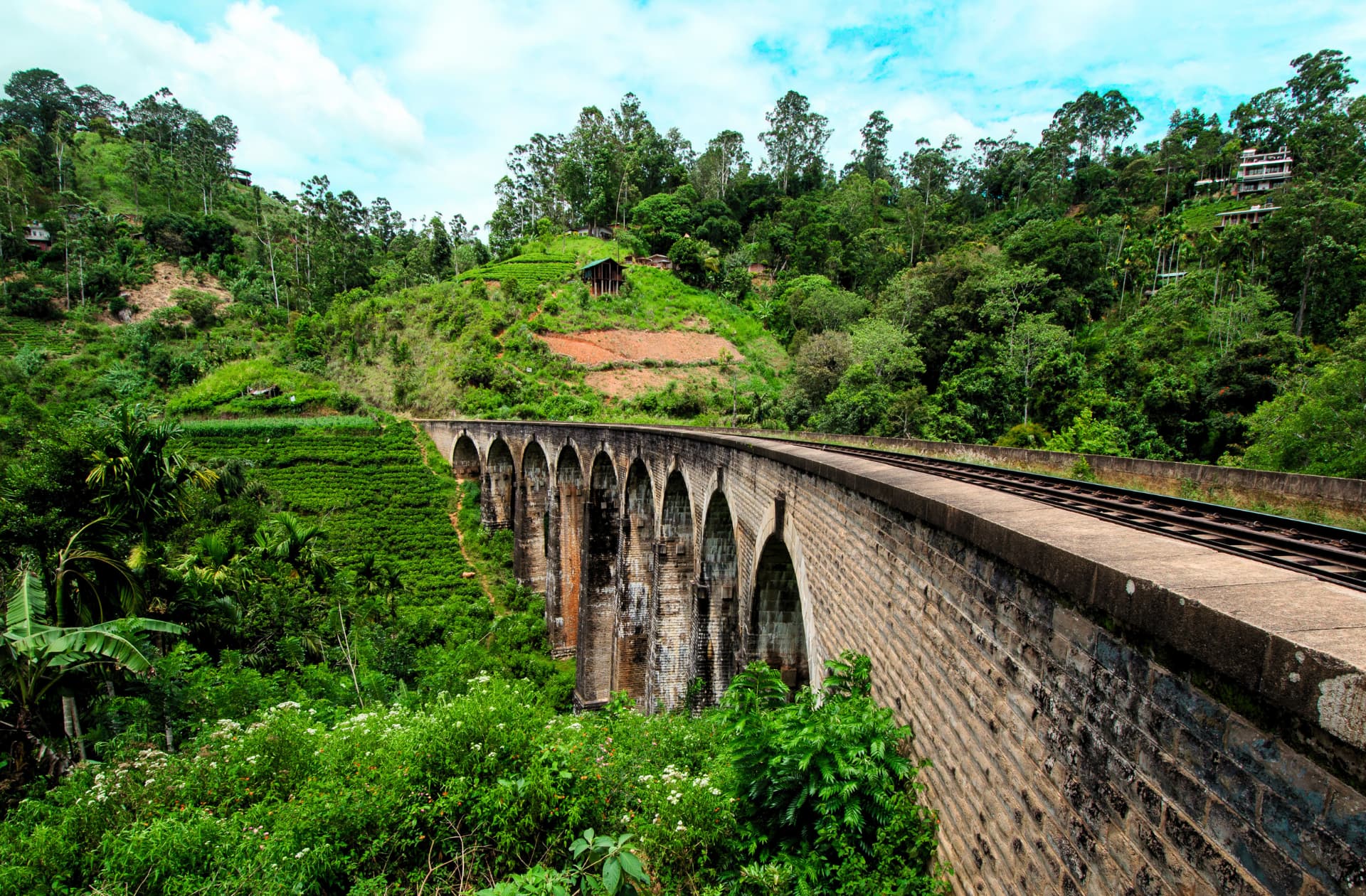
This positioning makes it a highly strategic transition point. It provides a luxurious, grounded base before the journey shifts southward towards the cooler elevations of Kandy and the tea country. Habarana works best as an environment for active exploration, balancing intense cultural discovery with immersive wildlife encounters. The sheer convenience of reaching multiple UNESCO World Heritage sites from a single location cannot be overstated.
PreparationWhat to Know Before Visiting Habarana
Habarana relies on the pace of the safari and the sprawling scale of the dry zone rather than walkability. It does not offer the pedestrian-friendly lanes, concept stores and café culture found in the southern coastal towns. The town centre serves practical transit needs, while the luxury stays and boutique lodges operate within their own extensive, forested footprints.
Travellers should arrive expecting early mornings, dusty jeep tracks and the physical intensity of the equatorial sun. Movement between monuments and parks requires a dedicated vehicle. Dining is frequently anchored to the hotels or select independent roadside venues. Habarana rewards those who respect its rugged environment, appreciate the proximity to raw nature and understand that convenience here is measured by access to the wild.