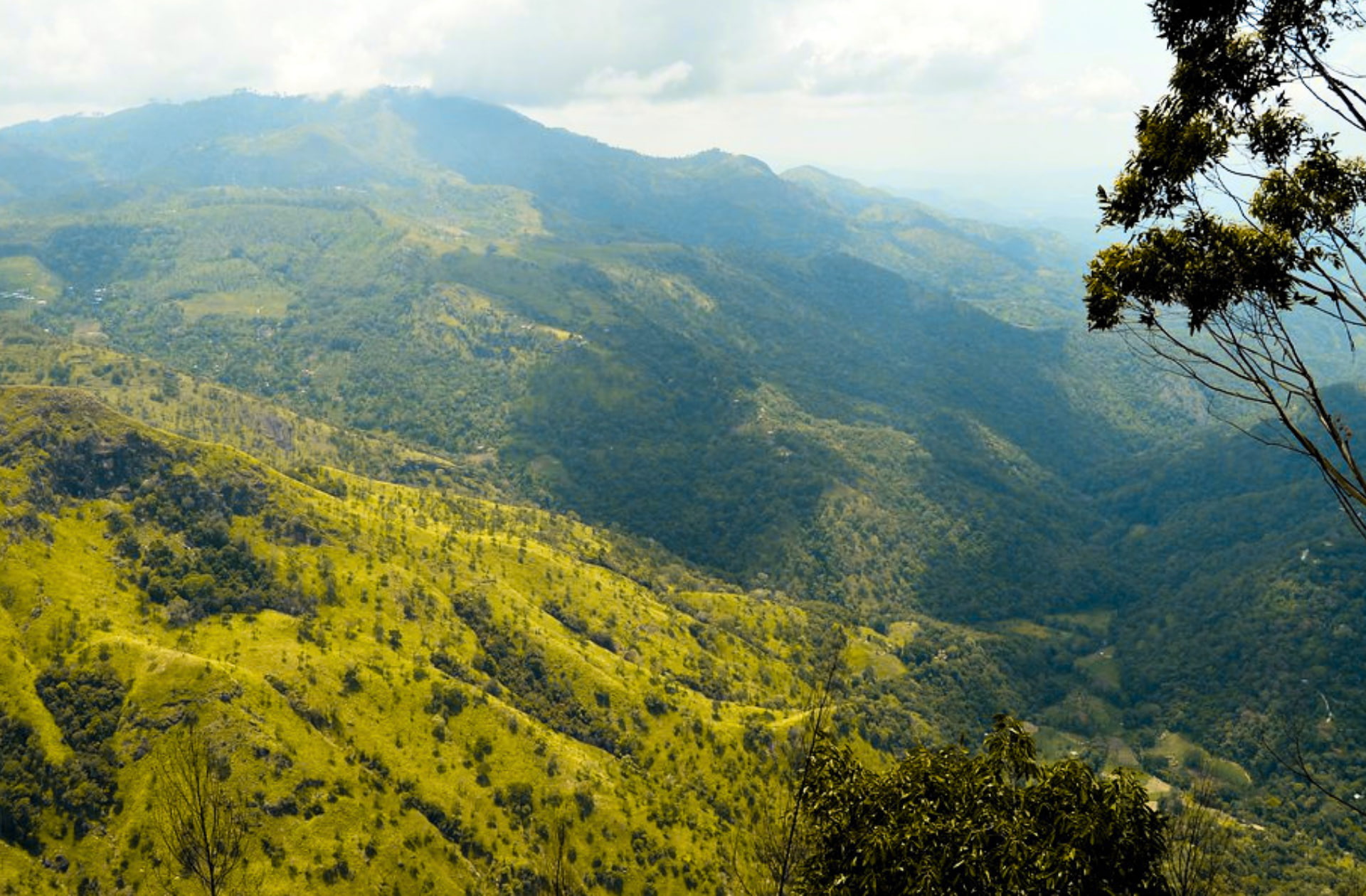
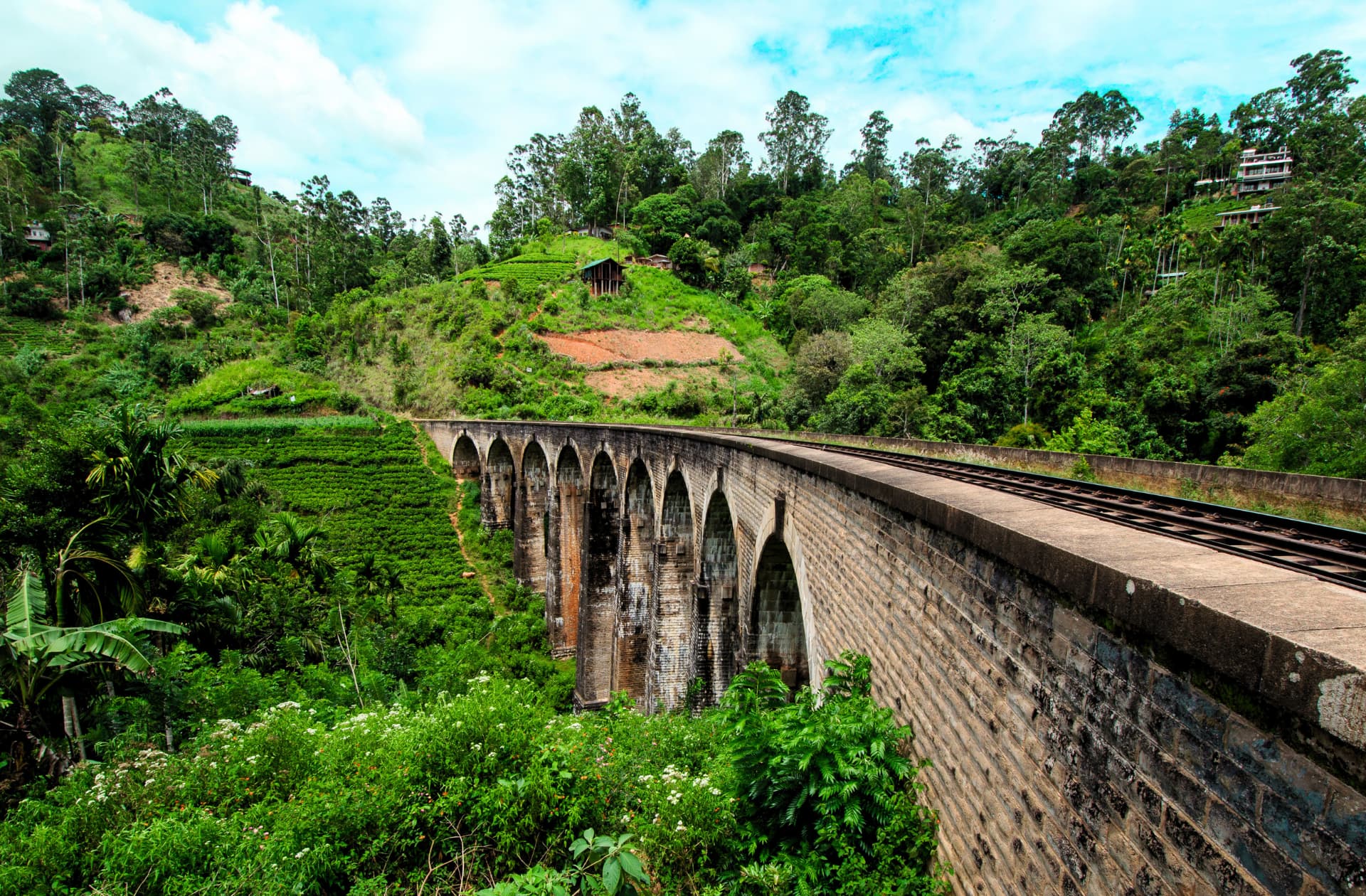
Ascending the hairpin switchbacks from Kandy or Hatton toward Sri Lanka's highest plateau, the sensory shift happens in stages. First, the heavy equatorial air thins out. Then coconut palms and jackfruit trees yield to towering eucalyptus, Monterey cypress and manicures of emerald-green Camellia sinensis. By the time the road levels out at Nuwara Eliya, cradled beneath the 2,524-metre summit of Pidurutalagala, the island's highest peak, daytime temperatures have dropped by fifteen degrees Celsius, woodsmoke drifts from brick chimneys and morning frost occasionally silvers the turf.
Lowland palms vanish miles down the pass, replaced by highland mist and pine. Yet reducing Nuwara Eliya to the worn travel cliché of “Little England” misses what makes this mountain basin so compelling.
The Climate Came First
Long before tea estates or colonial bungalows covered these hills, altitude changed everything. Situated in a high mountain bowl at nearly 1,900 metres (6,128 feet) above sea level, Nuwara Eliya occupies an anomalous cool-temperate microclimate just seven degrees north of the equator. Prior to the nineteenth century, the misty plateau was forested wilderness frequented by royal Sinhalese hunting parties and herds of highland elephants. When British officers stumbled upon the valley in 1819 and Governor Sir Edward Barnes established a mountain convalescent station in the late 1820s, it became one of the few places on the island where Europeans could escape lowland malaria and equatorial heat to build a life around a cooler environment.
Architectural Adaptation to the Cold
Across the nineteenth century, builders adapted every detail of their architecture to cold, wind-driven highland rain. Because open tropical verandas and flat clay tiles could not keep out the damp ten-degree nights, builders turned to steeply pitched roofs, dormer windows, stone hearths, timber panelling and red-brick masonry.
Villas, Anglican stone churches, public gardens and broad avenues were built to withstand the damp, cold climate. Over generations, as Sri Lankan planters, botanists and artisans made the town their own, those buildings stopped being colonial imprints alone and became part of the highland identity itself.